
The catalogue, by category
Sixteen categories, each one a way into the product catalogue. Under every card is the one thing a warehouse photograph reliably settles for that kind of item.
Cards lead to a product catalogue; ordering happens at PonyBuy. Outbound links to PonyBuy are affiliate links. How this site earns
What the PonyBuy Spreadsheet is, and how to browse by category
A PonyBuy Spreadsheet is a product catalogue kept by someone other than the agent: finds collected into categories, so you can look through them by the kind of thing you want rather than by whoever happened to post it. Ours is the sixteen cards below. Each one opens a category in the catalogue, and the line beneath it says what a warehouse photograph usually manages to settle for that kind of item.
That last part is the only editorial judgement on this page, and it comes straight from PonyBuy inspection scope. Shoes and bags are largely settled by appearance, so the photographs do a lot of work. Electronics are barely settled at all, because inspectors do not switch them on.
16 categories
No category matches. Try a broader word or clear the filter.
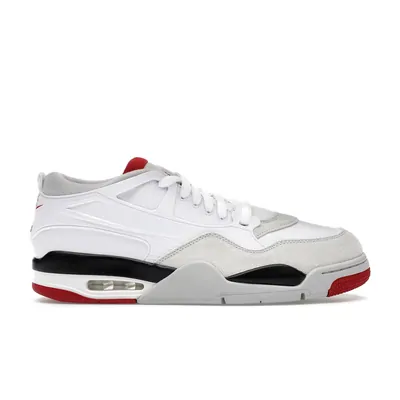 SneakersSealed boxes, clasps and stickers
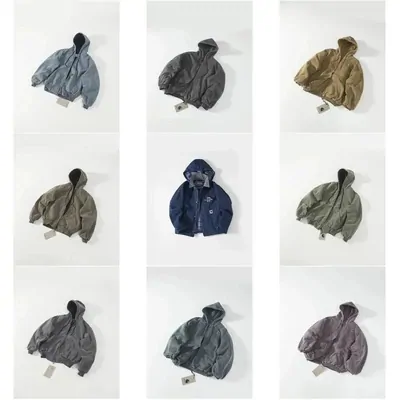 Jackets & CoatsStitching, lining, zip pulls
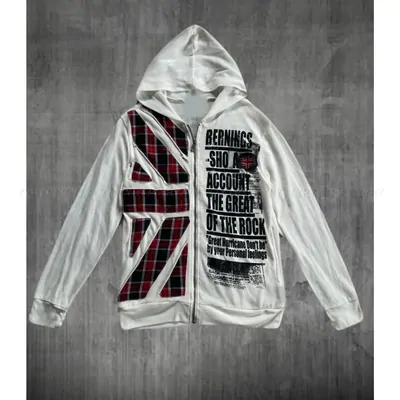 HoodiesPrint placement and weight
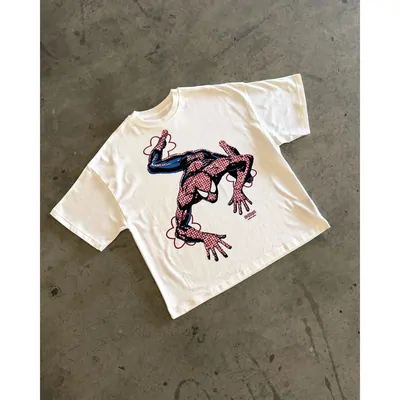 T-ShirtsPrint edges, collar shape
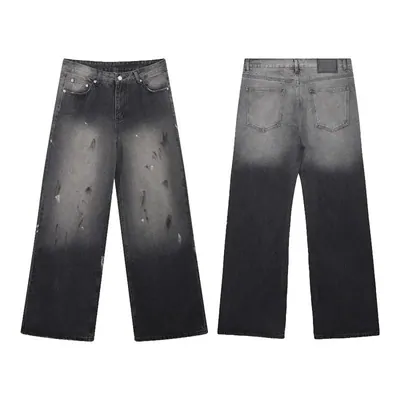 JeansWash, hem, hardware
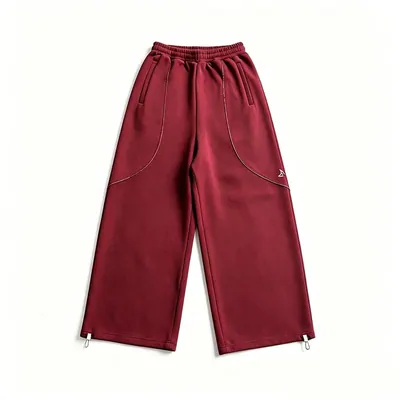 SweatpantsDrawcords and taping
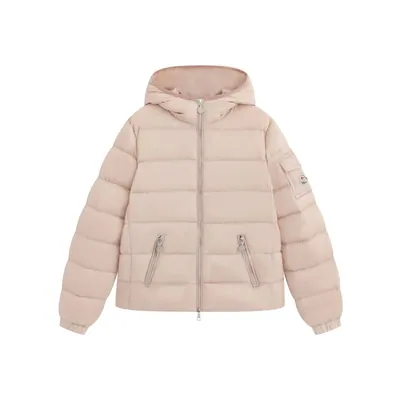 WomenswearCut and fabric drape
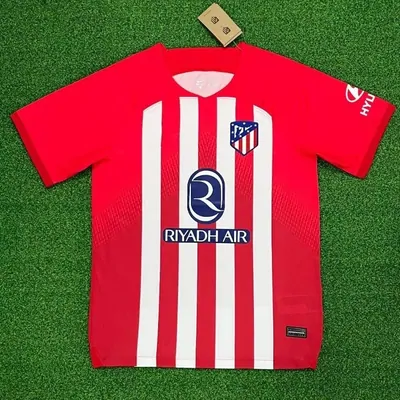 JerseysBadge, sponsor, name set
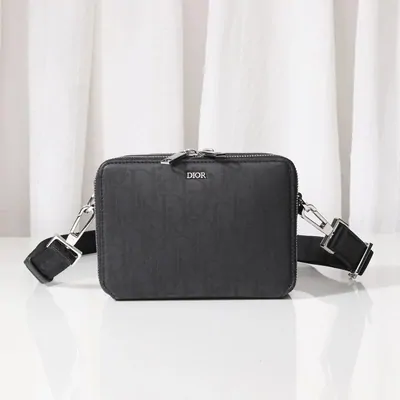 BagsHardware, lining, serial
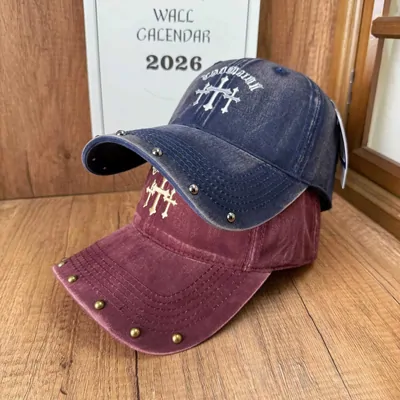 HatsEmbroidery and brim shape
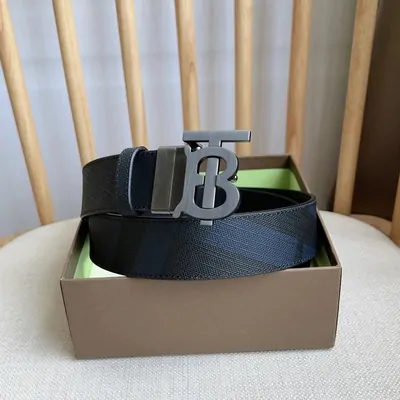 BeltsBuckle finish and length
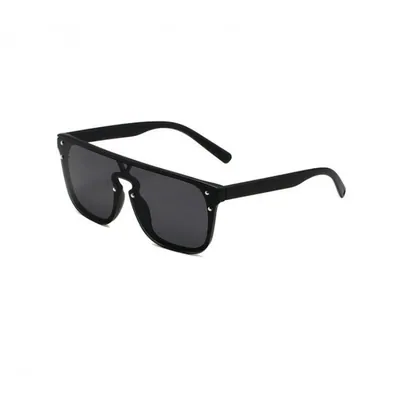 EyewearLens tint and hinge
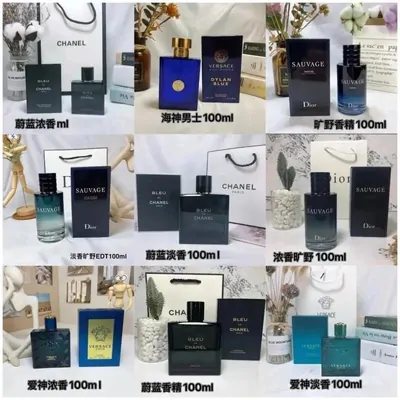 PerfumeSealed, so photographs stop early
 JewelleryStone setting and plating
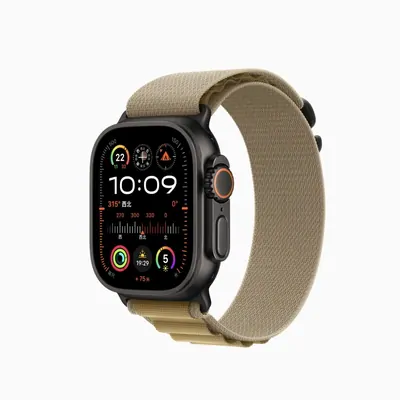 WatchesFace, strap, movement claim
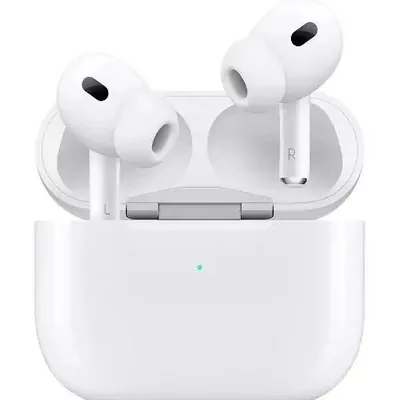 ElectronicsAppearance only, never powered on
Two kinds of photograph, and only one of them is free
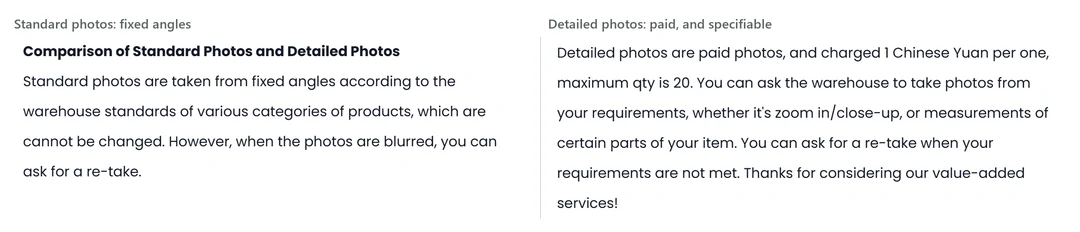
Every order gets the standard set. PonyBuy describes it as three standard photographs of different angles, front, back and side or logo, taken from fixed angles according to the warehouse standard for the category. You cannot change the angles, but you can ask for a re-take at no cost when a photograph comes out blurred.
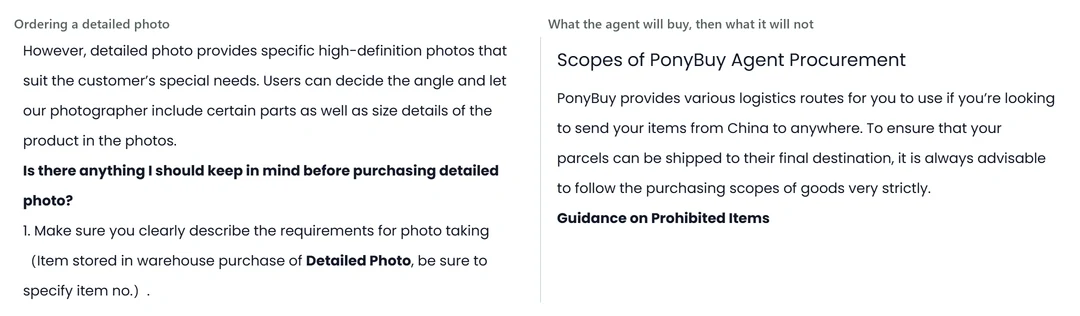
The other kind you order and pay for. Detailed photographs are taken to your written instruction: a close up, a zoom, the measurement of one specific part. PonyBuy caps the quantity per request and publishes the per photo price on the same page.
One warning before you order any: the page shows two different prices for the same service, one in the body text and one inside the ordering dialog. Read whichever figure the dialog shows you at the moment you confirm, and treat any number written on this site or anywhere else as out of date.
Glossary: the words on the cards, and the words on the forums
Reps buying runs on two vocabularies that sound like one. Half of these terms come from PonyBuy own documentation and carry rules; the other half come from the community and carry none. Mixing them up is how people end up arguing with customer service about a promise nobody ever made.
| Term | What it means, and who says it |
|---|---|
| QC | Quality check. In PonyBuy wording, the inspection professional inspectors carry out after your items reach the warehouse. |
| QC photos | The standard photographs taken during that inspection. For clothing the process usually provides three, from fixed angles: front, back, and side or logo. |
| Detailed photo | A paid extra. PonyBuy describes it as a value added benefit for users who want personalised and precise photographs, taken to a written request. |
| Stocked in | An order status, and the one that starts the return clock. The five day window opens at the next full hour after the status changes. |
| Remark | The free text you attach to an order. It is read at inspection time, which is why a vague remark produces a photograph that settles nothing. |
| GL and RL | Community shorthand for green light and red light, meaning a batch other buyers have approved or rejected. Neither term appears anywhere in the PonyBuy help centre, and no PonyBuy rule attaches to either. |
| Batch | Community shorthand for a production run of a given item. Also not a PonyBuy term. The warehouse photographs one parcel; it has no view of a run. |
| Sensitive goods | PonyBuy own term for categories with procurement or shipping restrictions, such as liquids, powders, magnetic components and items with batteries. |
Where an entry says a term does not appear in the help centre, that is from reading it, not from assuming. The pages were re-read on the date in the masthead.
One filter applies to every category on this page
Before the photographs, before the seller, there is a plainer question: will PonyBuy buy the thing at all, and will the shipping line carry it. PonyBuy publishes the answer as a scope document rather than as a policy page, and it is more restrictive than most buyers expect.
It names the categories it treats as sensitive: precooked meat, mobile phones with batteries, magnetic components, power banks, branded clothing, liquids, powders, compressed gas, gold and silver jewellery, diamonds, coins and antiques. Several of those are ordinary reps purchases. Perfume is a liquid. A watch with a battery is an electronic item. A magnetic clasp on a bag is a magnetic component.
It also says something that sits oddly next to a reps catalogue, and it is worth reading in its own words: the quality of Taobao merchants is uneven, PonyBuy cannot do professional identification for professional digital products, and it recommends you select high quality sellers yourself. The agent is telling you where its own competence stops.
Three things readers ask about this page
Short answers, because the longer ones live on the pages this site links to.
- Is this a shop?
No. This site holds no stock, takes no payment and ships nothing. The cards lead into a product catalogue, and ordering happens at PonyBuy.
- Why are there only sixteen categories?
Because those sixteen cover almost everything reps buyers actually order. Anything outside them is reachable through the search box at the top of every page.
- Do the categories tell me which seller is good?
No, and nothing on a card should be read that way. The line under each card describes what a warehouse photograph tends to settle for that kind of item, which is a statement about the inspection, not about any seller.